DOOA T‑H METER II
DOOA
DOOA T-H METER II — SKU 156-401
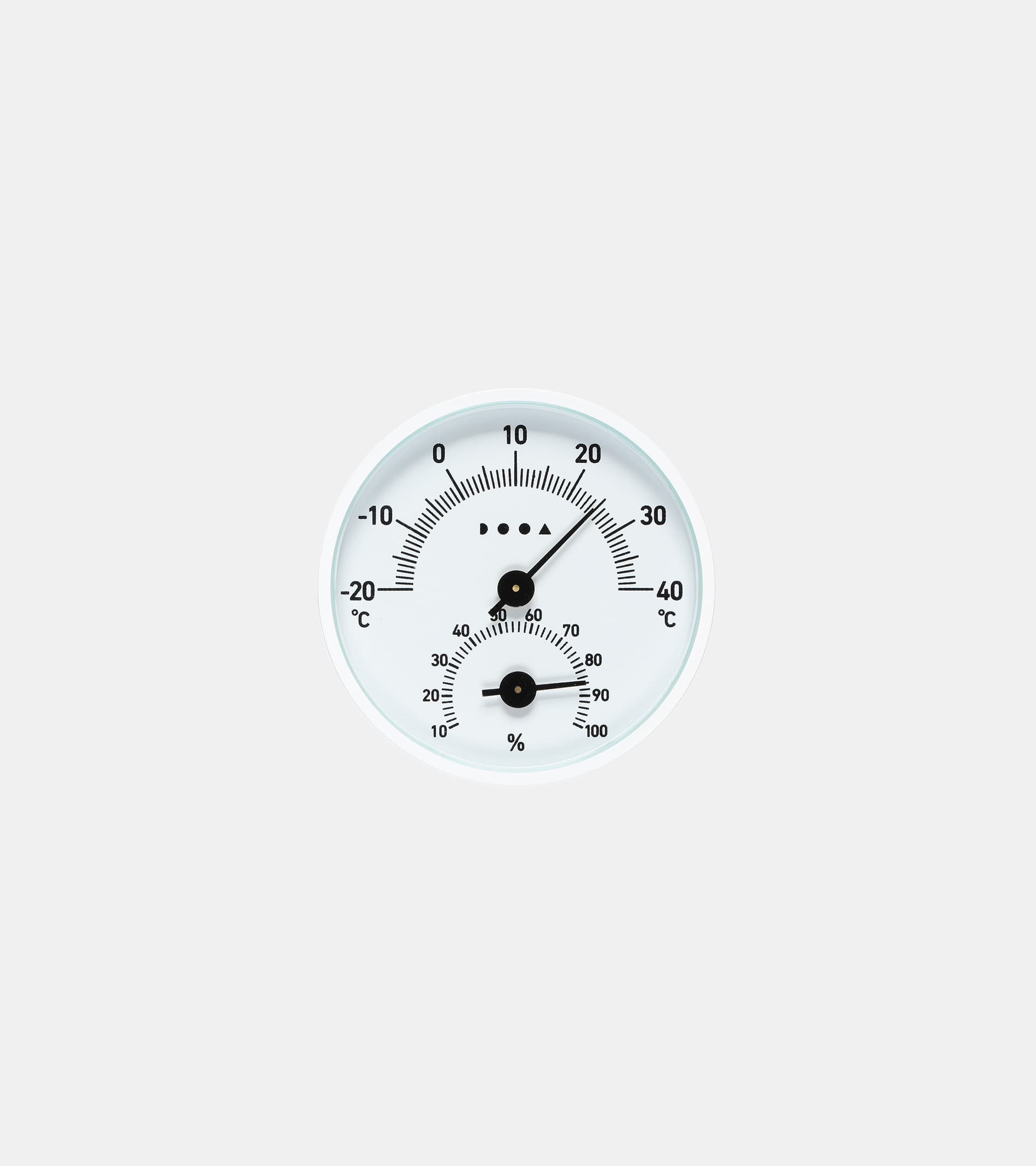
A compact digital monitor that displays real-time temperature (°C) and relative humidity (%) inside terrariums, paludariums, and enclosed plant systems. Essential for maintaining stable microclimates and ensuring optimal growing conditions for tropical plants, mosses, and emergent aquatics.
Key Features:
- Dual Display: Shows temperature (°C) and humidity (%) simultaneously on a clear LCD screen
- Compact Size: Small footprint doesn't obstruct viewing or take up valuable space
- Flexible Mounting: Includes suction cup mount (for glass surfaces) and hook-and-loop pad (for other surfaces)
- Battery Powered: No external power required. uses standard button-cell batteries (check manual for type)
- Temperature Range: Typically 0–50°C (32–122°F)
- Humidity Range: 10–99% RH (relative humidity)
Applications:
- DOOA System Paluda 300/600 (monitoring humidity for tropical plants)
- Terrariums and vivariums (ensuring stable conditions for ferns, orchids, carnivorous plants)
- Paludariums with emergent zones (tracking humidity gradients)
- Wabi-Kusa displays in enclosed setups
- Breeding tanks for amphibians or invertebrates requiring specific humidity
Why Monitor Temperature & Humidity?
Different plants and animals have specific climate requirements:
- Tropical Ferns & Orchids: 70–90% humidity, 20–28°C
- Mosses: 60–85% humidity, 15–25°C
- Emergent Aquatics (Bucephalandra, Anubias): 60–80% humidity, 22–26°C
- Carnivorous Plants (Nepenthes): 60–80% humidity, 18–30°C depending on species
Without monitoring, you're guessing. The T-H METER II gives you concrete data so you can adjust ventilation (Circulation Fan 40), misting (Mistflow), or heating to maintain ideal conditions.
Installation:
1. Choose Location: Place the meter where you can see it easily through the glass but also where it will measure representative conditions (not directly under a light or in a dead air pocket)
2. Mount the Sensor: Use the suction cup to attach to the inside glass wall, or use the hook-and-loop pad to mount on a background panel
3. Position the Display: Ensure the LCD faces outward for easy reading
4. Insert Batteries: Install batteries as per the included instructions
5. Calibrate (if needed): Some models allow manual calibration. check the manual
Reading the Data:
- Temperature: Compare to your target range. adjust heaters or cooling as needed
- Humidity: If too low, increase misting frequency or reduce ventilation. if too high, increase airflow (Circulation Fan 40) or reduce misting
Typical Adjustments:
- Low Humidity: Add Mistflow, reduce Circulation Fan speed, seal gaps in covers
- High Humidity: Increase Circulation Fan speed, open vents, reduce misting frequency
- Low Temperature: Add aquarium heater, move tank away from cold windows
- High Temperature: Improve ventilation, reduce lighting intensity, move tank to cooler area
Maintenance:
- Replace batteries when the display dims or readings become erratic
- Wipe the sensor lens monthly to remove condensation or algae buildup
- Check suction cup grip periodically—reattach if it begins to slip
Accuracy:
Most digital T-H meters have ±1–2°C temperature accuracy and ±5% humidity accuracy—sufficient for aquascaping and terrarium use. For critical applications (breeding rare species, scientific research), consider upgrading to a laboratory-grade hygrometer.
Compatibility:
- DOOA System Paluda 300/600
- DOOA Neo Glass AIR series (when used with covers for enclosed setups)
- Custom terrariums and paludariums
- Vivariums and breeding enclosures
Pro Tip: Place the meter at plant canopy height, not at the substrate or top of the enclosure. Humidity can stratify (be higher near the water surface and lower near the top), and you want to measure the conditions where your plants' leaves are actually located.
Specifications:
- SKU: 156-401